
PTSD & Complex PTSD Therapy in Michigan: Online for Adults
When you’ve lived through trauma — whether one overwhelming event or years of chronic relational hurt — it can feel like your body is still bracing for impact long after you’re technically “safe.” You may look fine from the outside, keep life moving, show up for the people who rely on you… while a quiet storm keeps swirling underneath.
Many people don’t realize that PTSD and Complex PTSD (C-PTSD) aren’t defined by what happened. They’re defined by what your nervous system had to do to survive it.
And none of that makes you broken. It makes you human.
I offer trauma-informed, depth-oriented online therapy for adults across Michigan — work that helps your body, mind, and emotions come back into present time so you no longer have to live in perpetual survival mode.
When Trauma Doesn’t Just “Go Away”
Trauma is not a character flaw — it’s a nervous system wound
Many clients come in asking some version of:
- “Why can’t I just move on?”
- “Why am I still affected by things that happened years ago?”
The answer is simple and compassionate: Your system did exactly what it needed to do to protect you — and it hasn’t yet received the signals that it can stop protecting you.
Trauma isn’t a mindset issue. It’s a body-based, attachment-based, survival-based response that deserves care, not judgment.
What PTSD and C-PTSD actually feel like day-to-day
Trauma often shows up in subtle, quiet, chronic ways:
- Feeling on edge, jumpy, or hyper-aware
- Emotional numbness or “going offline”
- Difficulty trusting yourself or others
- A sense of being outside your body
- Trouble concentrating or recalling memories
- Feeling “too much” or “not enough”
- Avoiding conflict, intimacy, or vulnerability
- A constant sense that something bad is about to happen
These reactions aren’t signs of weakness — they’re signs that something in you is still trying to stay safe.
PTSD vs. Complex PTSD — What’s the Difference?
PTSD: A response to overwhelming events
PTSD often develops after situations that were:
- life-threatening
- shocking
- overwhelming
- too fast to process
Examples include accidents, assaults, medical trauma, or natural disasters.
Relational trauma, emotional neglect, and attachment wounds
C-PTSD is deeply tied to what it felt like to be you in relationships. When the people who were supposed to protect or attune to you couldn’t, your system had to organize around staying safe in ways that can persist into adulthood.
Again: this is not pathology. It’s adaptation.
C-PTSD: Trauma that happened over time
Complex PTSD is not “worse,” just different.
It often comes from experiences that were:
- repeated
- relational
- chronic
- unpredictable
- emotionally unsafe
Many clients don’t realize their symptoms come from long-term environments, including:
- emotional neglect
- inconsistent caregiving
- growing up in chaotic or critical homes
- long-term relational stress
- attachment wounds
- chronic invalidation or unpredictability
Common Signs You May Be Living With PTSD or C-PTSD
These symptoms are extremely common among trauma survivors. They are also deeply workable.
Emotional signs
- Numbness, shutdown, or emotional “flatness”
- Intense emotions that feel too big or too fast
- Shame, guilt, or self-blame
- Persistent fear or dread
- Irritability, anger, frustration
Nervous system signs
- Tension you can’t relax
- Sleep difficulties
- Startle responses
- Feeling disconnected from your body
- Alternating between hypervigilance and collapse
Relational and identity signs
- Difficulty trusting or feeling close
- People-pleasing or fawning
- Feeling like you never really “land” in yourself
- Self-criticism or perfectionism
- Feeling unworthy, defective, or unseen
Why Your Symptoms Make Sense: A Compassionate, Neurobiological View
Fight, flight, freeze, fawn — all adaptive
Your survival responses are not overreactions — they were solutions. Your system learned patterns that helped you get through situations that were overwhelming, unpredictable, or unsafe.
Why you can’t “think your way out of it”
Trauma lives primarily in:
- the body
- the subcortical brain
- your attachment wiring
- your implicit memory
- your nervous system’s patterned responses
This is why self-help books, logic, or “trying harder” don’t create deep change. Healing requires felt safety, not cognitive effort.
How chronic survival states shape emotions, memory, and relationships
When your system stays in survival mode:
- emotions feel intense or shut down
- memories become fragmented or fuzzy
- connection feels threatening or unstable
- your identity becomes organized around protection
Therapy works by helping your body experience enough safety to update these patterns.
How I Help Clients Heal From PTSD & C-PTSD
The essence of my work with my clients trauma, or perpetual trauma in the form of PTSD or complex PTSD symptoms, I take an approach that is carefully and precisely tailored to you based on your moment-to-moment experience as we spend time together, as well as in-depth understanding of the most up-to-date and cutting edge trauma-informed research and neuroscience. At the heart of this science is the knowledge that trauma, very simply can be explained as the result of experiencing unwanted aloneness and lack of support in the face of overwhelming and painful emotions.
I approach this in a few distinct ways:
- We go at a pace that protects your nervous system:
Trauma work cannot be rushed. We go slowly enough that your system never feels overwhelmed — while still moving toward real change. - We take a “bottom-up” experiential healing approach:
You don’t have to rehash trauma memories in detail. Instead, we track your body, emotions, sensations, and internal signals — slowly allowing incomplete survival responses to resolve. - We build on this by working with emotions as energy that needs completion:
Emotions are not problems. They are biological processes that want to move, shift, and complete.
When supported, they create meaningful change from the inside out. - Together we will rebuild inner safety, trust, and connection:
Healing trauma is not just about reducing symptoms. It’s about restoring your ability to feel grounded, connected, present, empowered, andat home in yourself
Therapeutic Approaches I Use
Somatic & Nervous-System Based Work

We explore how your body holds patterns of protection, tension, or collapse — and help them soften.
Attachment-focused, relational healing

C-PTSD is rooted in relationship, so the therapeutic relationship becomes a safe place to re-experience connection in a new way.
Brainspotting for deep trauma release
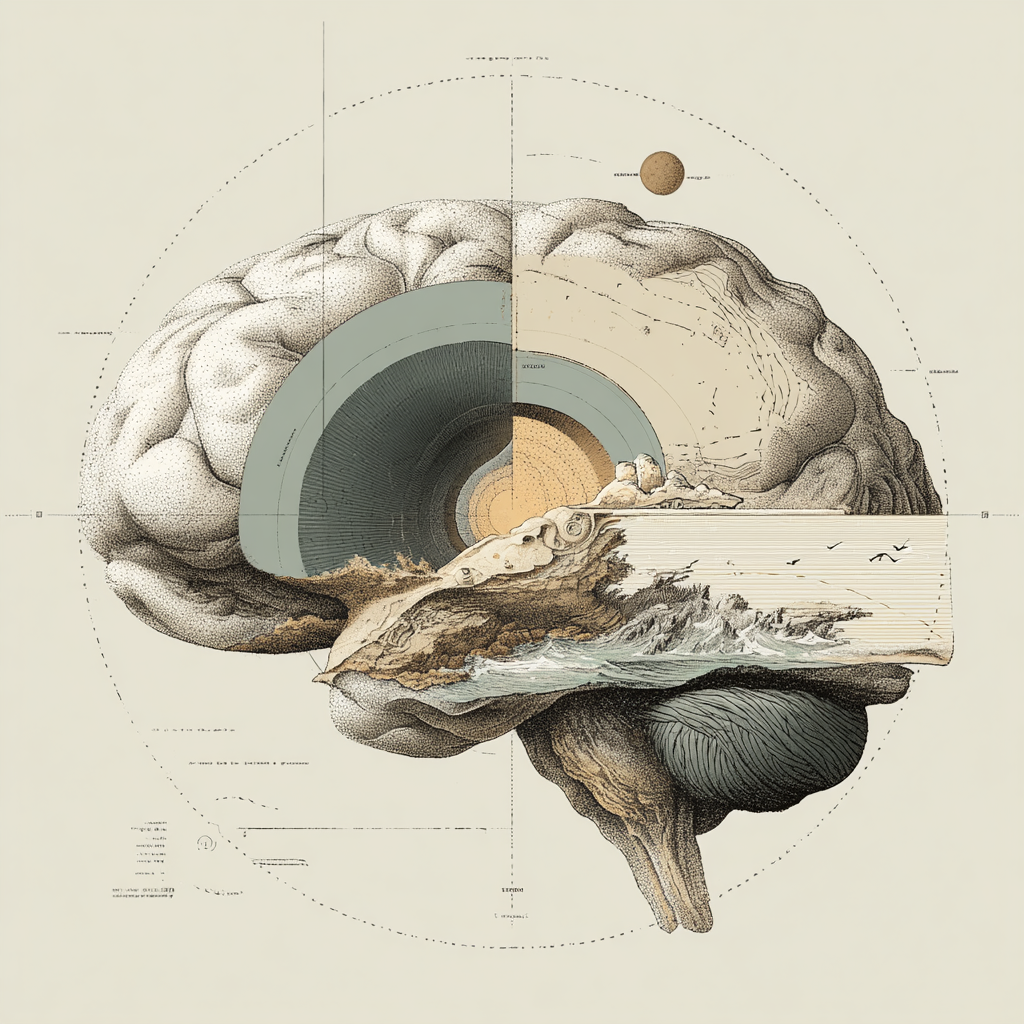
Brainspotting helps access the subcortical brain where trauma is stored.
We use it when your system is ready, at a pace that feels grounded.
Parts work (IFS-informed)

Many trauma survivors feel like they have “parts” that hold different emotions or roles. IFS-informed work helps those parts feel understood, not judged.
Accelerated Experiential Dynamic Psychotherapy (AEDP)

AEDP is an attachment-based, experiential approach that supports healing by safely experiencing emotions within an attuned, supportive relationship. This allows emotions to move and resolve without overwhelm, helping the nervous system update long-held patterns shaped by relational trauma.
What Online Trauma Therapy Looks Like
Telehealth designed for depth
You don’t need to be in an office to do meaningful trauma work. Telehealth allows you to be in a familiar, controlled space — which often supports regulation.
What sessions feel like
You’re not expected to perform or impress. You just get to be human. Sessions are:
- slow
- attuned
- grounding
- experiential
- emotionally safe
Intake + ongoing work
Your intake session is a full 60 minutes, designed to begin healing from the start rather than gathering endless history. You’ll also complete a comprehensive written assessment beforehand so we can use our session time more intentionally.
FAQ: PTSD & C-PTSD Therapy
Do I need a diagnosis to start?
No. You don’t need a formal diagnosis to begin therapy. If a diagnosis becomes clinically relevant or helpful for treatment planning, we discuss it together — always with clarity and collaboration.
Is it normal to feel numb or shut down?
Yes. Numbness is a protective state, not a failure. Your system learned to go offline to keep you safe.
Can trauma healing really happen online?
Absolutely. Many trauma survivors actually feel more grounded doing this work from home.
How long does therapy take?
There’s no one timeline. Depth-oriented trauma therapy unfolds at the pace your system is ready for — never forced, never rushed.
Fees, Insurance, & Michigan Telehealth
There are a few important pieces of information about the financial investment and logistics of starting therapy. You’re welcome to click the link to learn more. However, here are a few things to know and keep in mind:
- Self-pay only + superbills:
I do not bill insurance directly, but I can provide monthly superbills for out-of-network reimbursement if your plan allows it. - Adults 18+:
My therapy services are for individual adults only. - Serving all of Michigan via secure video:
Whether you’re in Ann Arbor, Royal Oak, Birmingham, Detroit, Grand Rapids, or anywhere across the state — trauma therapy is available to you online.
Start Healing at a Pace That Honors Your Story
Free 15–30 minute consultation
You can share what’s been feeling hard, ask questions, and get a sense of whether we’re a good fit.
What we can explore together
- What your system has been carrying
- What you’ve already tried
- What healing could look like now
- What “feeling like yourself again” might mean for you